Island Stewardship

The island after us
must be better
than before.

Conservation is not a chapter in the AUREMANI plan — it is the plan. Every decision is measured against one benchmark: does this leave the island in a superior condition?

01

The Principle

Conservation is not
a chapter in our plan.
It is the plan.

From the earliest site survey to the last operational decision of each season, every action at AUREMANI is evaluated against a single benchmark: does this leave the island in a condition superior to the one in which we found it? This is not a sustainability framework bolted onto a hospitality project. It is the founding condition of the entire development — non-negotiable and without exception.

Conservation
First
60%
Protected
Reserve

Our Commitments

Six pillars of
permanent stewardship.

These are not aspirations or targets. They are structural decisions embedded into the development from its first conception — binding conditions that shape every choice made on and for the island.
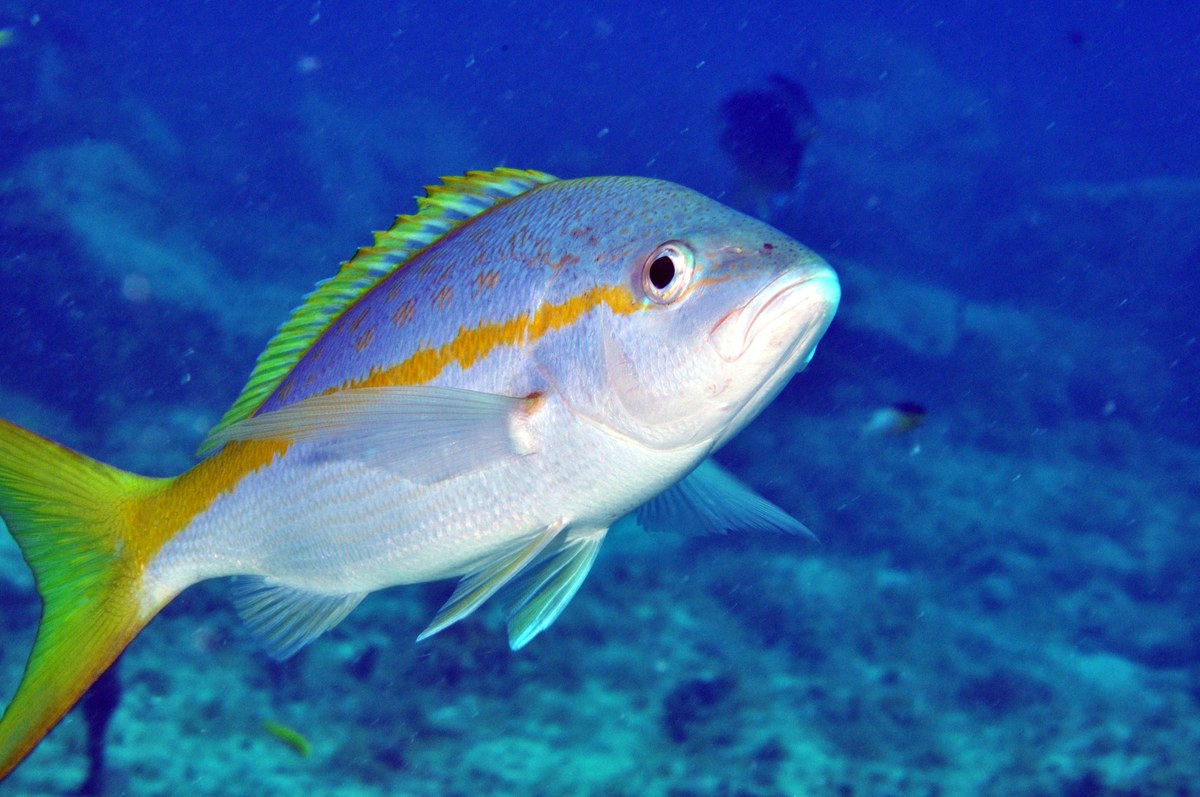
Tropical marine fish and reef — Indian Ocean biodiversity

01

Marine
Conservation

The reef systems surrounding the island are among the most ecologically significant in the Indian Ocean. A permanent resident marine biologist leads an active coral monitoring and restoration programme in partnership with established regional conservation bodies. Guest participation is invited, never obligatory.
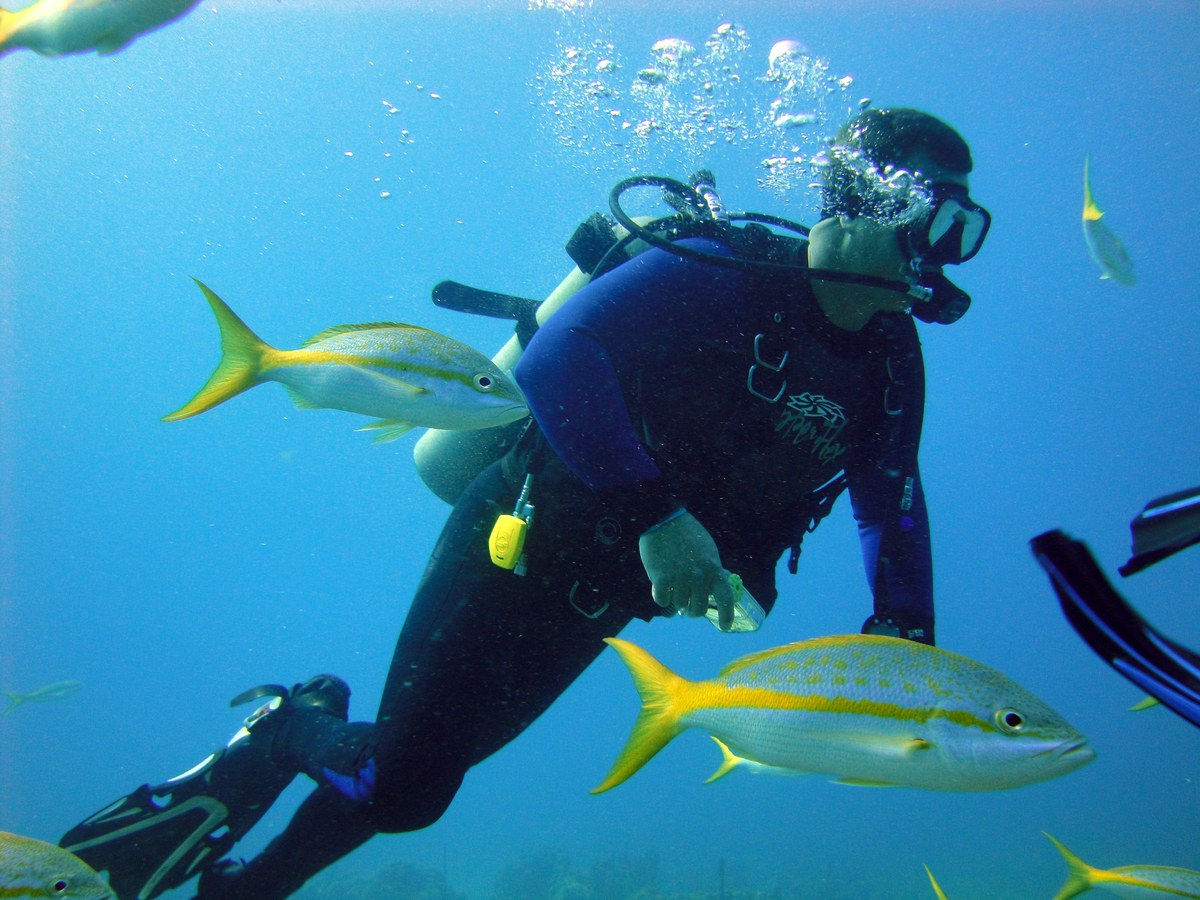
Active coral reef monitoring and restoration
Permanent resident marine biologist
No-take marine exclusion zones surrounding the island
Annual independent biodiversity surveys
Pristine tropical landscape — low-density ecological architecture

02

Renewable
Energy Systems

Solar-primary infrastructure with full battery storage makes the island entirely energy self-sufficient from day one of operation. Fossil fuel use is reduced to emergency backup only — a condition written into the operational agreement, not left to goodwill. The island generates its own clean energy, and does not depend on mainland supply chains for its power.
Solar-primary infrastructure with full battery storage
Fossil fuel restricted to emergency backup only
Energy self-sufficient from day one of operation
Carbon footprint independently audited annually
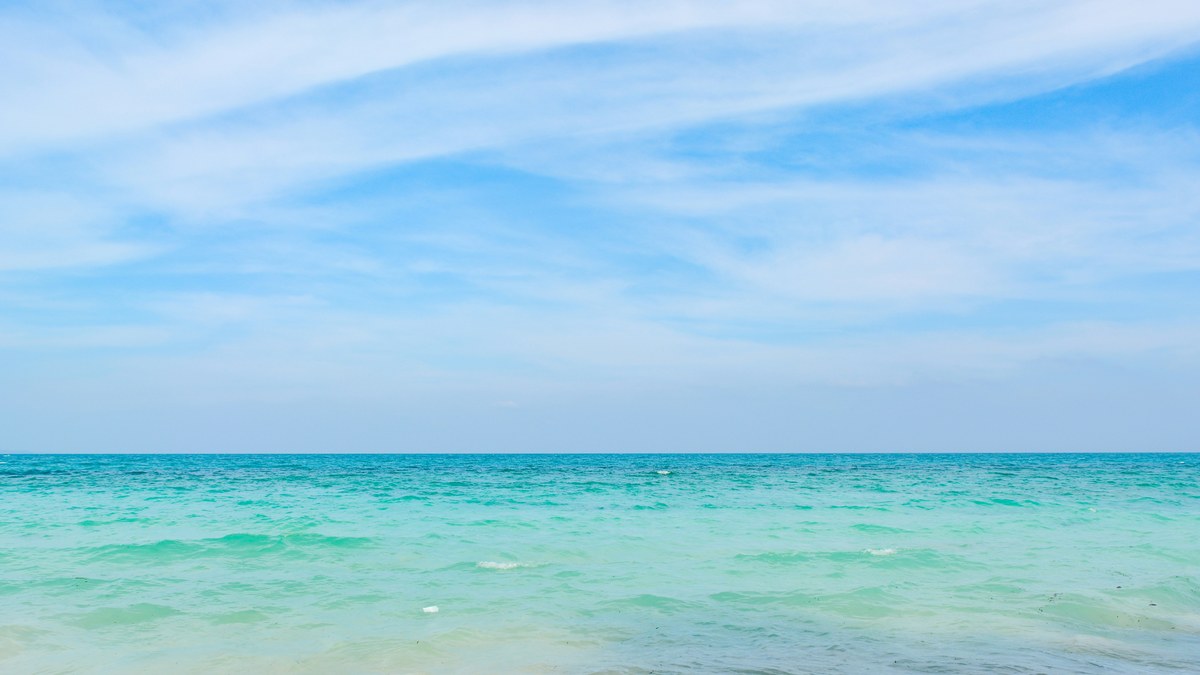
Open Indian Ocean horizon — water self-sufficiency and marine stewardship

03

Closed-Loop
Water Systems

Desalination, greywater recycling, and rainwater capture combine to make the island entirely water self-sufficient. There is no discharge of wastewater into the marine environment under any operational circumstance. All water consumed on the island is sourced, treated, and returned on-island. The surrounding ocean is never used as a waste system.

Desalination and rainwater harvest — fully self-sufficient
Greywater recycled for irrigation only
Zero marine wastewater discharge, all conditions
Water quality monitoring at all reef interface points

By the Numbers

Commitments made
in the structure
of the project.

These are not aspirational targets. They are contractual conditions embedded into the development agreement and independently verified on an annual basis by appointed conservation partners.

60%
Conservation Reserve
100%
Renewable Energy Target
Zero
Marine Discharge
80%
Local Employment

Further Commitments

Three further
non-negotiables.

These commitments were agreed before a single site plan was drawn. They are permanent, not provisional — part of the structure of the project, not its ambitions.

04

Local Employment & Supply

A minimum of 80% of operational roles filled from within the host nation. The supply chain is built around local producers, regional fisheries, and national artisans. Economic value generated by the island stays in its region.

05

Native Planting Only

All landscaping uses species endemic to the island’s own ecological history. No introduced or invasive species under any operational circumstance. The island’s botanical character is restored and strengthened, not replaced with a designed aesthetic.

06

Conservation-First Design

Every architectural brief begins with an ecological assessment. Structures are sited to minimise disturbance. Visual mass is suppressed. The island’s natural horizon remains unbroken from any point on the water approaching the shore.

We are not guests
on this island.
We are its stewards.

AUREMANI exists because rare natural places deserve to endure. Every structural decision, every operational protocol, and every hire made for this project is held against that obligation. The island’s long-term ecological health is the measure of our work — not the number of guests served, not the revenue generated, not the recognition received.